
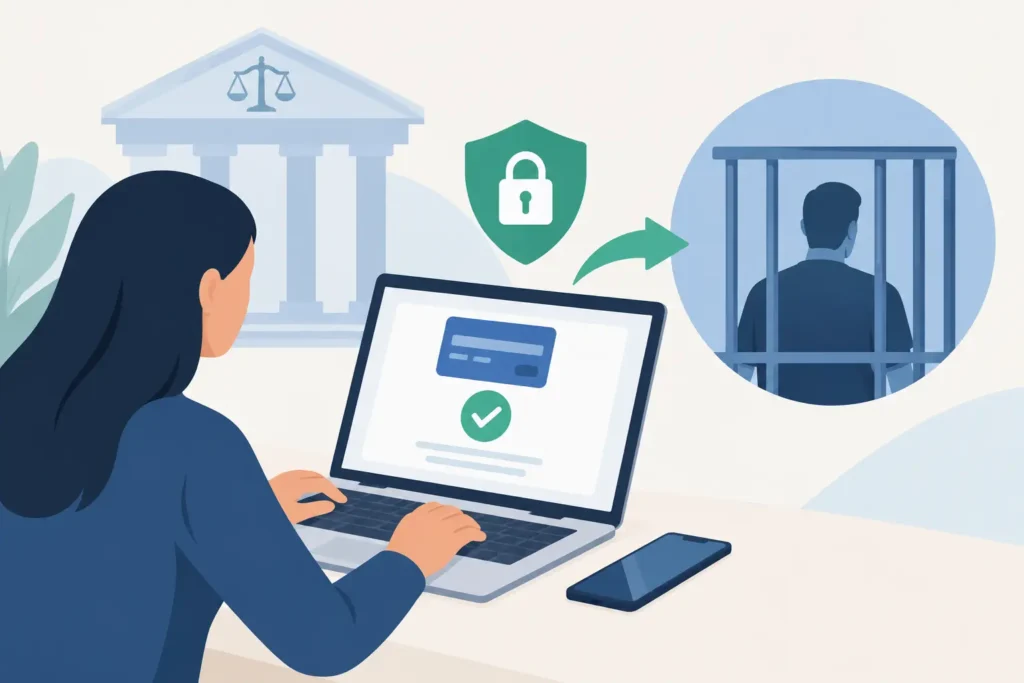
An arrest rarely happens at a convenient time. You may be at work, home with children, or hours away from the jail when you hear someone you love has been detained. The first question is often practical: can bail be paid online? Sometimes, yes – but what you can pay online, who receives the payment, and what must happen before release all depend on the type of bond and the jail or court involved.
For families in San Angelo and Tom Green County, the fastest path is usually getting accurate information first. A payment screen alone does not tell you whether a bond has been set, whether there are other holds, or whether the person can actually be released.
Can bail be paid online in San Angelo?
Online payment may be available in certain situations, but it is not a one-size-fits-all answer. There are two very different ways bail may be handled.
A cash bond means the full amount ordered by the court is paid directly to the appropriate court or jail authority. Whether that payment can be made online is up to the local agency’s procedures. Some systems may allow electronic payments for certain cases; others require payment at a specific office, during certain hours, or through an approved method.
A surety bond, commonly called a bail bond, is arranged through a licensed bail bond agency. Instead of posting the full court-set bail yourself, a qualified bondsman posts a bond that guarantees the defendant’s appearance in court. The person arranging the bond pays the agency’s required fee and completes the necessary agreement. Depending on the agency and the circumstances, part or all of that transaction may be handled electronically.
The important distinction is this: paying a bond agency’s fee online is not the same as paying the entire bail amount directly to the court. Before sending money anywhere, make sure you know which kind of payment is being requested.
Start with the jail and case information
When someone is under pressure, it is easy to focus on paying before confirming the facts. That can cost valuable time. A local bondsman can help you sort through the situation, but having a few details ready makes the conversation move faster.
Try to confirm the person’s full legal name, date of birth, where they are being held, and any booking or case number you have. You also need to know whether a magistrate has set a bond amount. After an arrest, a person may still be waiting for bond to be set. Until there is a bond amount and release eligibility is confirmed, there may be nothing to pay.
A jail roster or records search can reveal useful information, but it may not show every issue affecting release. A warrant in another jurisdiction, a probation hold, an immigration detainer, or multiple charges can change the process. One bond being posted does not always mean the person walks out immediately.
This is why a real conversation with a knowledgeable, local professional matters. The goal is not simply to make a payment. The goal is to make the right payment, through the right channel, without creating another problem.
What online bail payments usually require
If online payment is available, expect the process to involve more than entering a card number. A legitimate bail transaction generally requires identity verification, paperwork, and clear communication about responsibilities.
For a surety bond, the person signing for the bond is often called an indemnitor or co-signer. That person agrees to help ensure the defendant appears at every required court date. The agency may ask for identification, contact information, employment details, references, and information about collateral, if collateral is needed.
Electronic signatures can make paperwork easier when family members are not in the same place. Still, some situations may require an in-person signature, original documents, collateral paperwork, or a visit to the agency’s office. A responsible bondsman will explain that before taking payment, not after.
Online payments can also involve processing fees, card limits, verification holds, or timing delays. If release is urgent, ask whether electronic payment will be accepted for your exact situation and when the bond can be submitted to the jail after approval. “Online” does not always mean immediate release.
Protect yourself from bail-payment scams
Families dealing with an arrest are frequently targeted because they need answers quickly. Be cautious if someone contacts you unexpectedly, demands payment by gift card, cryptocurrency, wire transfer, or a money-transfer app, and refuses to provide a physical business location or licensing information.
A legitimate bail bond agency should be willing to explain its role, identify the jail and defendant involved, discuss the bond amount, and provide understandable paperwork. Do not rely on a text message, a social-media post, or a search ad alone. Call a known local office and ask direct questions before you pay.
You should also be wary of anyone who promises a guaranteed release no matter what. No bondsman can erase a court hold, bypass a judge’s conditions, or make a jail release someone before the jail completes its own processing. Honest help includes telling you when there may be a delay.
Questions to ask before you pay online
A few direct questions can protect your money and reduce confusion. Ask whether the defendant’s bond has been set, whether there are additional holds or warrants, and whether the payment is for a cash bond or a surety bond fee. Ask what documents and signatures are required and whether collateral is involved.
You should also ask what happens after payment. Will the bondsman file the bond immediately? Does the jail have its own release timeline? What court dates must the defendant attend? What are the consequences if the defendant misses court or violates a release condition?
These questions are not a sign that you distrust the agency. They are part of making an informed decision when the stakes are high. A professional bondsman should welcome them and answer in plain language.
When an in-person visit may be the better choice
Online payment can be helpful for a family member who is at work, out of town, or caring for children. But an in-person visit can still be the better choice when the case is complicated, collateral needs to be reviewed, several family members are contributing, or you need someone to walk you through the agreement face to face.
At Freedom Libertad San Angelo’s Bail Bonds, families can speak with a licensed local team 24 hours a day, 7 days a week and visit the office at 1104 N. Chadbourne Street when an in-person conversation is needed. The right next step may be an electronic payment, a visit to the office, or simply getting the facts before any money changes hands.
A bail bond is a promise, not just a payment
Getting someone released from jail can bring immediate relief, but the responsibility continues after release. The defendant must follow all court instructions, appear at every hearing, keep the bondsman informed of changes in contact information, and comply with any conditions set by the court.
The co-signer also has serious obligations. If the defendant fails to appear, the co-signer may be financially responsible under the bond agreement. That is why no one should sign quickly just because they feel pressured. Read the agreement, ask what each term means, and make sure the defendant understands the importance of every court date.
If you are trying to help someone get out of jail tonight, take a breath and verify the details first. A clear answer from a licensed local bondsman can save you from sending money to the wrong place and help your loved one take the next step toward release with dignity.