
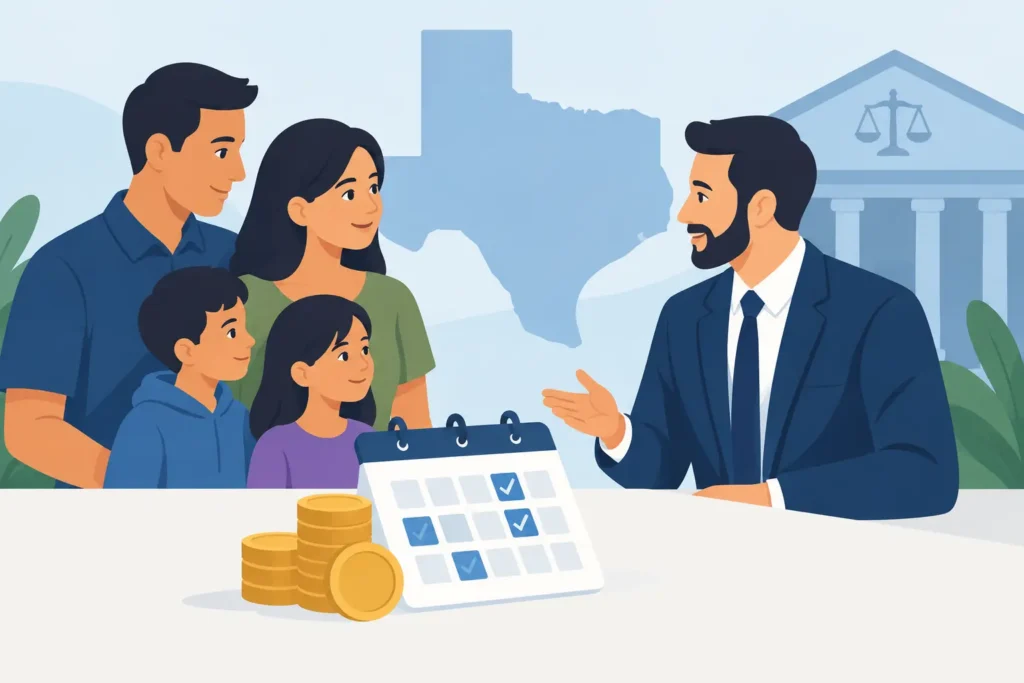
A call from the Tom Green County Jail can turn an ordinary night into a rush of questions: Where is my loved one? What is the bond amount? How soon can they come home? And how can we afford this? Bail bond payment plans Texas families ask about can make the cost of arranging a bond more manageable, but the right plan depends on the charges, the court-set bail amount, the person’s circumstances, and the terms a licensed bondsman can offer.
The most helpful first step is not guessing or borrowing money before you understand the situation. Get clear information about the arrest, confirm the jail location and bond amount, then speak directly with a local bail bond agency that can explain your available options in plain language.
How Bail Bond Payment Plans Work in Texas
A bail bond is a surety bond. Instead of paying the entire court-ordered bail amount in cash to the court, a qualified person may work with a bail bond company. The company posts the bond and takes responsibility for ensuring the defendant appears at required court dates.
The family or responsible party pays a bond premium and may need to provide collateral or a co-signer, depending on the case. The premium is the fee charged for writing the bond. In Texas, bail bond fees and agency practices are regulated, and the terms of a payment arrangement should be explained before you agree to anything.
A payment plan generally divides eligible upfront costs into scheduled payments rather than requiring every dollar at once. That does not mean every bond automatically qualifies for a plan. Larger bonds, out-of-county holds, prior failures to appear, limited local ties, immigration matters, or a lack of a qualified co-signer can change what is required.
The goal is to find an arrangement that is realistic for your household while meeting the agency’s requirements. A trustworthy bondsman should be direct about the down payment, payment dates, acceptable payment methods, collateral, and what happens if a payment is late.
What Affects Your Payment Options?
The bail amount is only one part of the conversation. Two people with the same bond amount may receive different payment options because the risk and paperwork are different.
The nature of the charge matters. A low-level charge with a local resident, steady employment, and a reliable co-signer may be handled differently than a serious felony case or a case involving multiple charges. A defendant’s record can also matter, especially if there is a history of missed court appearances or active warrants.
Your connection to the area may be considered as well. A person who lives, works, or has family in San Angelo may have stronger local ties than someone passing through town. The bondsman may ask about an address, employment, family contacts, identification, and other details to understand the situation.
Collateral may be requested in some cases. Collateral is property or another item of value that helps secure the bond if the defendant does not meet court obligations. Do not assume collateral will be required, but do not be surprised if it is discussed on a higher-risk bond. Ask exactly what is being pledged, how it is documented, and when it is returned or released.
Questions to Ask Before You Sign
When someone you care about is waiting in jail, it is easy to focus only on getting them released quickly. Speed matters, but a few direct questions can prevent confusion later. Ask what amount is due today, what the remaining payment schedule looks like, and whether the premium is refundable. In most situations, the fee paid to secure a bond is earned when the bond is posted and is not returned simply because the case ends favorably.
You should also ask who is responsible for the payments. If you co-sign, you are not merely helping with paperwork. You may be taking on financial and contractual responsibility. Make sure every adult signing understands the agreement.
Ask about court-date responsibilities, too. The defendant must appear whenever the court requires it and comply with any bond conditions. Missing court can lead to an arrest warrant, bond forfeiture, added costs, and serious consequences for the person who signed for the bond.
Finally, ask for clear copies of the paperwork and keep them in a safe place. A respectful agency will not rush past reasonable questions. Urgent does not have to mean unclear.
Be Honest About Your Budget
The best payment arrangement is one you can actually keep. Before committing, look at the due dates alongside rent, utilities, groceries, transportation, and other essential expenses. A smaller payment may sound easier, but it can create a longer obligation. A larger down payment may reduce future installments, but only if it does not put your household in a worse position.
Be upfront if your income changes week to week or if you are waiting on a paycheck. It is better to discuss that reality before a plan is set than to miss a payment without communicating. Do not make promises based on money you hope will arrive unless you have a dependable reason to expect it.
Payment Plans Do Not Replace Court Responsibilities
A bond payment plan helps address the cost of securing release. It does not change the criminal case, erase charges, or excuse the defendant from court. Once released, the defendant needs to know the next court date, follow all release conditions, stay in contact with the bondsman when required, and avoid new legal trouble.
This is especially important for families who are trying to help from outside the legal system. Supporting someone after an arrest may include arranging transportation, making sure they have a working phone, helping them keep court paperwork organized, and reminding them that every court appearance matters.
If the person has immigration concerns, a warrant in another county, or more than one hold, the release process can take longer than expected. A bond may be posted, yet the person may not walk out immediately if another agency or jurisdiction has placed a hold. Asking about all known holds early can save you from a painful surprise.
Why Local Help Matters in San Angelo
A national call center may give broad answers, but a local agency understands the practical details that families face here: jail procedures, local court expectations, and how quickly information can change after an arrest. When you are stressed, being able to talk with a real person who knows San Angelo can make a difficult situation feel less overwhelming.
Freedom Libertad San Angelo’s Bail Bonds is locally operated and available 24 hours a day, 7 days a week to help families understand bond information, payment conversations, warrant searches, jail records, and the next steps after an arrest. The office is located at 1104 N. Chadbourne Street in San Angelo, where you can speak with someone who treats your situation with discretion and respect.
No family plans for an arrest. Still, you can protect yourself from added stress by asking clear questions, reading what you sign, and choosing a payment arrangement you can honor. One calm conversation with a licensed local bondsman can turn a confusing night into a clear path forward.