
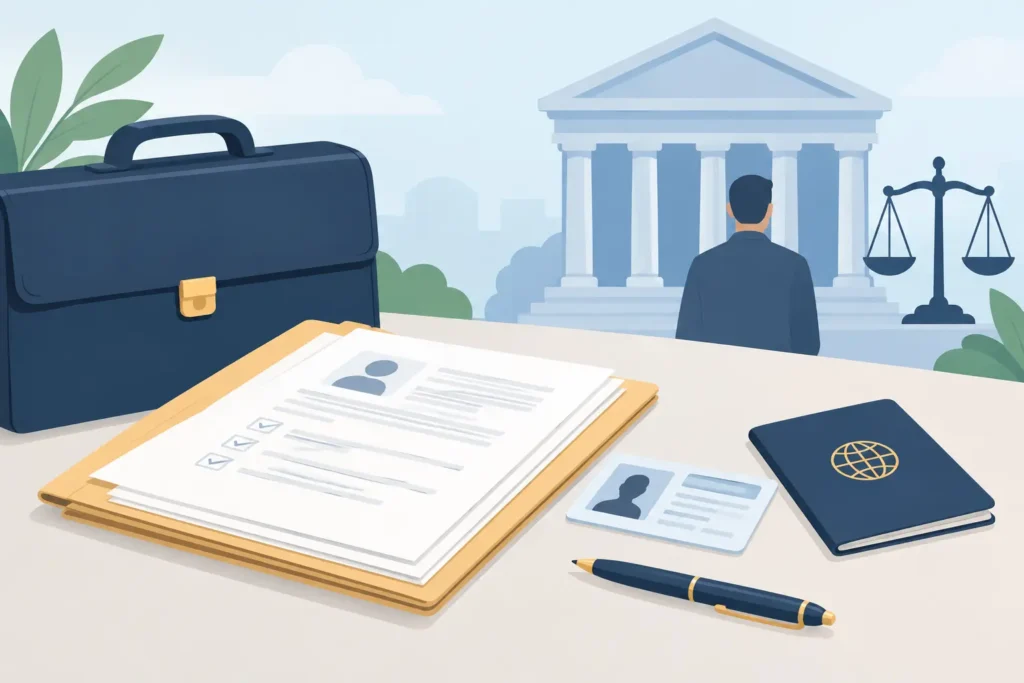
A late-night arrest creates a hundred urgent questions at once: Where is my loved one? What is the bond amount? Can they be released tonight? Having the right documents needed for bail ready can prevent avoidable delays while a bondsman verifies the case and prepares the paperwork.
For families in San Angelo and Tom Green County, the goal is simple: get clear information, complete the bond correctly, and make sure the person released understands every condition of their bond. You do not need to know every legal term before you ask for help. But gathering a few basic details before you call can make the process much faster.
Start With the Arrest and Booking Information
Before a bail bond can be arranged, the jail and bondsman need to identify the correct person and charge. Names can be similar, charges can change after booking, and bond amounts are set differently depending on the case. Accurate booking information keeps everyone from working from the wrong record.
Have the defendant’s full legal name, date of birth, and, if available, booking number ready. It also helps to know the jail where they are being held, the charges listed, and the bond amount set by the court or magistrate. If you do not have all of that information, do not wait in panic. A local bondsman may be able to help with a jail-record or jail-roster search.
A warrant can affect the release process, too. Someone may be booked on one charge but have another active warrant in a different jurisdiction. That does not always stop a bond, but it can change the timing and the paperwork required. Clear, complete information at the beginning gives your family a more realistic picture of what happens next.
Documents Needed for Bail in Most Cases
Every case is different, and the exact documents depend on the jail, charge, bond amount, and the person signing for the bond. Still, most families should be prepared to provide the following:
- A current government-issued photo ID for the person signing the bond, such as a Texas driver’s license, state ID, passport, or military ID.
- The defendant’s booking information, including their full name, date of birth, charges, bond amount, and booking number if known.
- Proof of address for the signer or indemnitor, such as a current utility bill, lease, mortgage statement, or official mail showing the address.
- Contact information for the defendant and signer, including phone numbers, addresses, employer information when requested, and a reliable emergency contact.
- Payment information for the bond premium and, if needed, documents related to collateral or a payment arrangement.
The indemnitor is the person who signs the agreement with the bail-bond agency and accepts financial responsibility for the bond. In many cases, this is a parent, spouse, relative, close friend, or employer. The defendant may sign paperwork after release, but the indemnitor’s information is often needed before the bond can be posted.
Bring original identification when possible. Photos of documents on a phone can sometimes help begin the conversation, but a bondsman may need to inspect the physical ID before finalizing the agreement. Do not use expired identification, altered documents, or someone else’s ID. A paperwork problem can slow down a release when time matters most.
Why Proof of Address and Employment May Be Requested
Families sometimes wonder why a bondsman asks about a home address, job, or length of residence. This information helps establish who is taking responsibility for the agreement and how the defendant can be contacted after release. It is part of the practical risk review involved in a surety bond.
That request is not a judgment of your family or your situation. A compassionate bondsman should explain what is being requested and why. If you do not have a standard utility bill in your name, say so. Another form of address verification may be acceptable depending on the circumstances.
Collateral Documents: Only When the Bond Requires Them
Not every bail bond requires collateral. Factors such as a high bond amount, out-of-county residence, a prior failure to appear, the charge, and the financial circumstances of the signer can affect whether collateral is requested. Collateral is property or another asset offered to help secure the bond if the defendant does not meet the terms of release.
If collateral is needed, the required documents depend on the asset. For a vehicle, that may include a title, registration, and proof of insurance. For real property, a deed, tax statement, mortgage information, or proof of ownership may be requested. Bank records or other financial documentation can also be relevant in certain arrangements.
Never hand over a title, deed, or financial document without understanding the agreement. Ask what property is being used, how it is being held, when it will be returned, and what would happen if the defendant misses court. The bond paperwork should make those responsibilities clear before you sign.
What the Person Signing the Bond Should Understand
The documents are only one part of the process. A signer should also read the bond agreement carefully and ask direct questions. The bond premium is the fee paid to the bail-bond agency for arranging the surety bond. In many situations, that premium is not returned after the case ends because it pays for the bond service, not the court’s bail amount.
The signer should understand the payment schedule, any collateral terms, and the defendant’s court date. They should also know what to do if the defendant’s address, job, or phone number changes. Most importantly, the defendant must appear at every required court hearing and follow all release conditions set by the court.
Release conditions can include no-contact orders, travel limits, alcohol or drug testing, electronic monitoring, or other restrictions. A bondsman does not replace an attorney and cannot change a judge’s conditions. If a condition is unclear, get clarification from the court or qualified legal counsel rather than assuming it does not apply.
A Different Checklist for Immigration Bonds
Immigration bonds follow a different process from county criminal bonds. The person may be in federal immigration custody rather than a local jail, and the bond may be set by an immigration judge or an immigration officer. The documents needed can include the detained person’s full name, date of birth, country of birth, Alien Registration Number if available, detention location, and immigration case information.
The person paying an immigration bond may also need qualifying identification and proof of legal status or citizenship, depending on federal requirements. Because the rules and locations can differ, it is best to confirm the exact requirements before traveling or gathering financial documents. Do not assume a criminal-bond checklist will cover an immigration case.
Prepare Without Delaying the Call
People often spend hours searching for every document before contacting a bondsman. That can create more delay than it prevents. Call as soon as you know someone has been arrested, even if all you have is their name and date of birth. A licensed local agency can tell you what has been confirmed, what information is missing, and which documents are actually necessary for that specific bond.
Freedom Libertad San Angelo’s Bail Bonds has served local families through stressful, time-sensitive situations for more than a decade. The office can help families sort through jail information, warrants, bond paperwork, and next steps with respect and straightforward answers.
Keep your identification, proof of address, booking details, and financial documents together, but do not sign anything you do not understand. One calm conversation with a knowledgeable bondsman can turn a confusing night into a clear plan for getting your loved one home and helping them make it to court.